
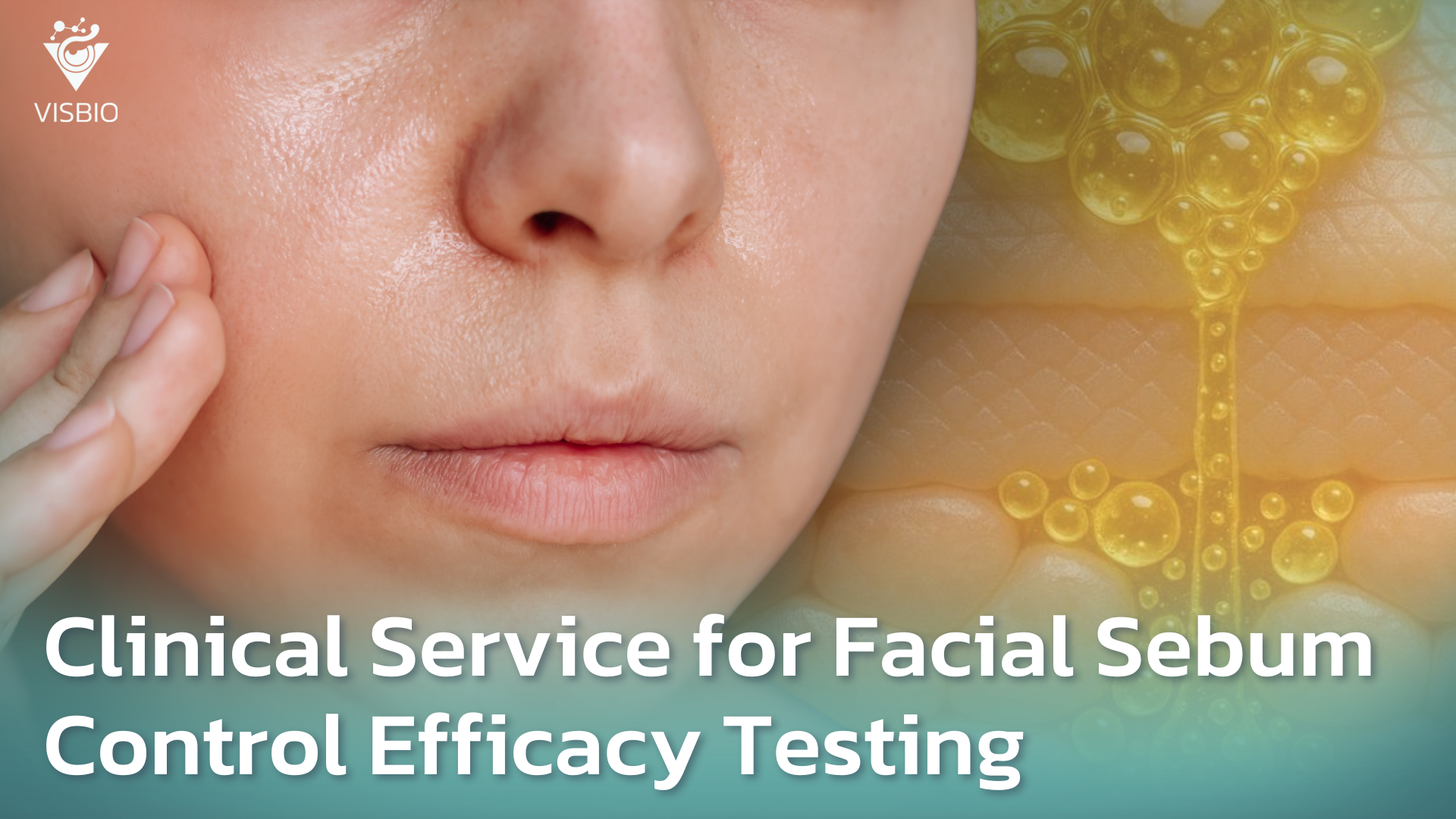
Information on Clinical Trial Service: Facial Oil Control Efficacy Evaluation for Skincare Products
Oily skin is one of the common dermatological concerns affecting many individuals worldwide. Excessive sebum production can negatively impact both the quality of life and self-confidence. Overproduction of sebum may lead to multiple skin issues such as clogged pores, acne formation, enlarged pores, dull complexion, and makeup that fails to stay intact for long hours.
To address these concerns, skincare products designed to reduce excess oil and regulate sebum production have gained significant popularity. However, the effectiveness of these products must be verified through standardized clinical testing methods that provide reliable and measurable outcomes.
Mechanism of Facial Oiliness
Oily skin results from overactive sebaceous glands, which secrete sebum—a complex mixture of lipids including triglycerides, squalene, vitamin E, and free fatty acids. Sebum plays a critical role in maintaining skin hydration and protecting the skin barrier from microbial invasion and oxidative damage.
The regulation of sebum production is strongly influenced by androgen hormones, particularly dihydrotestosterone (DHT). DHT stimulates the expression of the enzyme 5-α-reductase, which promotes both the enlargement and heightened activity of sebaceous glands, consequently increasing sebum output.
Additional factors that influence sebum production include
- Genetics: Individuals with oily skin often have a family history of similar skin types.
- Stress: Elevated cortisol levels caused by stress can stimulate increased sebum secretion.
- Diet: High glycemic index foods and dairy products have been linked to increased sebum production.
- Inappropriate skincare products: Products that disrupt the skin’s natural barrier or have unbalanced pH may exacerbate oiliness.
Active Ingredient Groups in Sebum Control Products
Effective sebum control formulations usually contain active ingredients with clear mechanisms to reduce sebum production or balance sebaceous gland function. These active compounds can be categorized into three main groups:
- Sebum-suppressing Agents
-Niacinamide (Vitamin B3): Reduces sebum production and inflammation by inhibiting cellular signaling pathways that stimulate sebaceous glands.
–Zinc PCA: Inhibits 5-α-reductase enzyme activity, blocking the conversion of testosterone to DHT, which is a primary stimulant of sebaceous glands.
–L-Carnitine: Accelerates β-oxidation of fatty acids within sebaceous gland cells, directly decreasing sebum synthesis.
- Anti-inflammatory and Antimicrobial Agents
-Salicylic Acid: Promotes exfoliation of dead skin cells, preventing pore blockage, and possesses antibacterial effects against acne-causing bacteria.
–Tea Tree Oil: Exhibits antimicrobial activity against Propionibacterium acnes and helps reduce inflammation.
–Green Tea Extract (EGCG): Acts as an antioxidant, decreases sebum production, and downregulates inflammatory cytokines such as IL-1α in sebaceous glands.
- Oil-absorbing and Shine-controlling Agents
-Silica, Kaolin, Bentonite Clay: These mineral powders absorb excess surface oils without disturbing skin hydration.
–Starch-based Powders (e.g., Tapioca, Corn Starch): Absorb sebum effectively and do not clog pores.
Clinical Trial Service: Facial Oil Control Efficacy
Testing the efficacy of sebum control products is a crucial step in validating the claims of “oil control” and enhancing product credibility.
VISBIO conducts these tests under a clinical trial framework using a mixed-method approach, which combines objective measurements from the Sebumeter device with subjective user feedback obtained via questionnaires. This comprehensive approach captures both the physiological changes and the user’s perceived experience.
Testing Instruments and Procedures
- Sebumeter Measurement
–The Sebumeter device quantifies sebum levels on the face, specifically measuring key zones such as the T-zone (forehead, nose, and chin) and U-zone (cheeks and jawline).
-Measurements are expressed in micrograms per square centimeter (µg/cm²).
-Baseline data are collected on Day 0 (prior to product use) and compared with data on Day 28 (post 28 days of consistent use).
-Statistical analysis is performed to determine changes in sebum levels resulting from product application.
- Self-Assessment Questionnaire Volunteers complete structured questionnaires to report on various subjective parameters such as:
-Perceived level of facial oiliness.
-Sensation of stickiness or skin comfort post-application.
-Duration of non-oily feeling after product use.
-Overall satisfaction with the product.
Benefits of Facial Oil Control Efficacy Evaluation Service
VISBIO’s clinical testing service offers more than just efficacy verification. It delivers strategic advantages for cosmetic and skincare product developers, including:
- Scientific Validation of Efficacy
–Provides clear, scientific evidence supporting the product’s oil control claims.
-Data can be used to substantiate marketing claims and scientific publications.
- Enhanced Brand Credibility
–Produces trustworthy test reports that differentiate products from competitors relying solely on marketing language.
- Research and Development
–Enables comparative evaluation of different formulas, facilitating evidence-based formulation improvements and innovation.
- Marketing and Communication
-Strengthens business negotiations with distributors and retail partners domestically and globally.
Literature:
- Zouboulis CC, et al. (2004). Androgens and sebaceous gland function. Dermatoendocrinology, 1(2), 77–80.
- Smith RN, et al. (2007). High glycemic load diet and acne. Journal of the American Academy of Dermatology, 57(2), 247–256.
- Pappas A, et al. (2010). Sebaceous gland lipids. Dermatoendocrinology, 1(2), 72–76.
- Draelos ZD. (2006). The effect of niacinamide on reducing cutaneous sebum production. Journal of Cosmetic and Laser Therapy, 8(2), 96–101.