

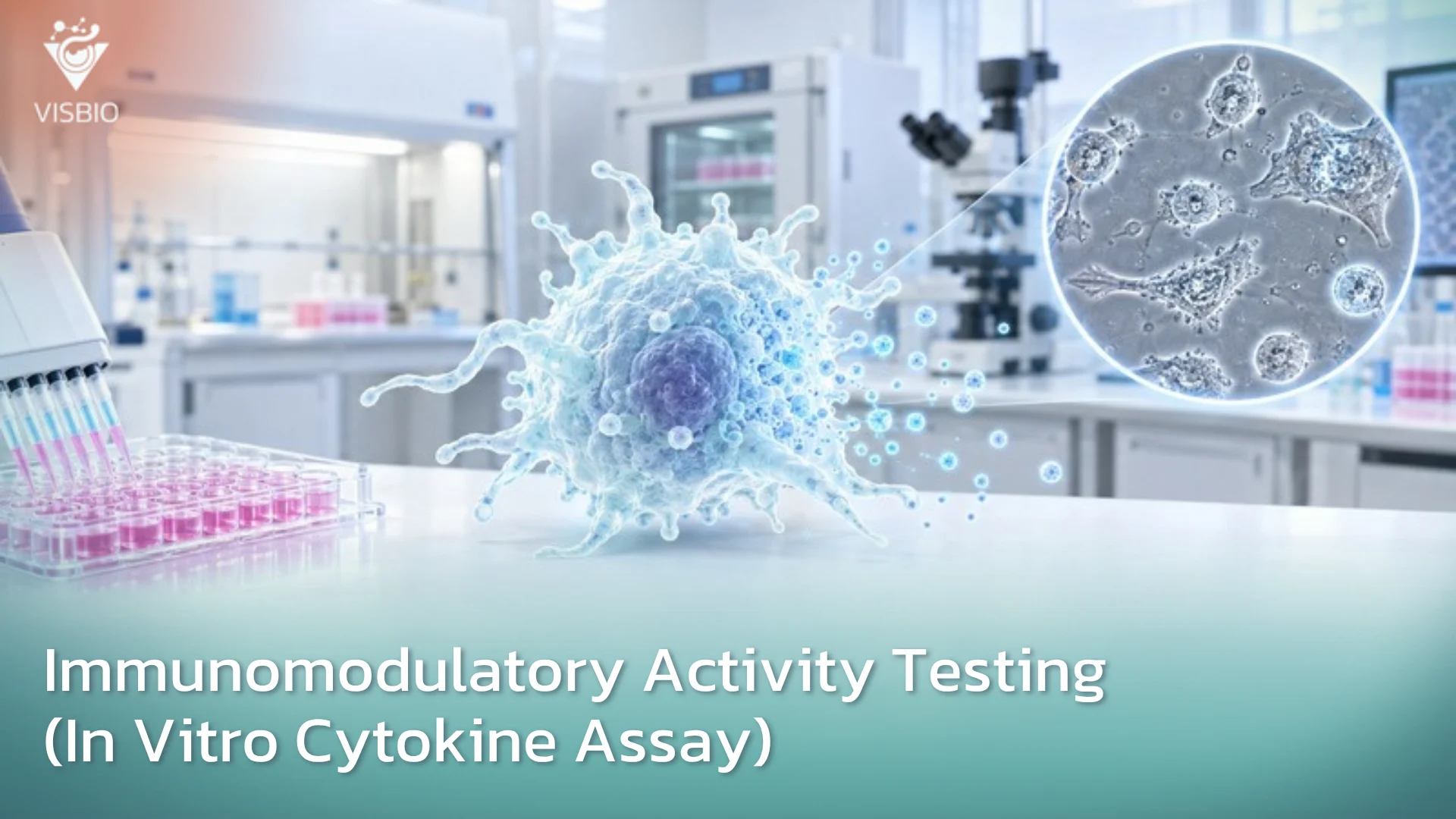
About Our Immunomodulatory Activity Testing
VISBIO Co., Ltd. offers immunomodulatory activity testing, that is, testing a sample’s ability to inhibit IL-6, IL-8, IL-10 or TNF-α, for many types of samples, including herbs, extracts, drugs, herbal products, dietary supplements and food products. Results can be reported as inhibitory activity (% inhibition) and as calculated IC50 values. The test is a 2D cell-based assay that evaluates immunomodulatory activity from cytokine production in cultured macrophages (RAW264.7).
Immunity is the process by which the body defends itself against foreign substances or antigens that come into contact with it or invade it, including pathogens such as bacteria, viruses, fungi and parasites. It relies on cells and organs with different roles working together.
Immunomodulation is the process of modifying the body’s immune response by introducing substances or stimuli, such as drugs or certain chemicals, into the body. Substances that can stimulate or suppress the immune system are called immunomodulators.
Immunity and Immunomodulation: Rebalancing the Immune Response
Immunity is the process by which the body defends itself against foreign substances or antigens that come into contact with it or invade it, including pathogens such as bacteria, viruses, fungi and parasites. It relies on cells and organs with different roles working together.
Immunomodulation is the process of modifying the body’s immune response by introducing substances or stimuli, such as drugs or certain chemicals, into the body. Substances that can stimulate or suppress the immune system are called immunomodulators.
Understanding the Human Immune System
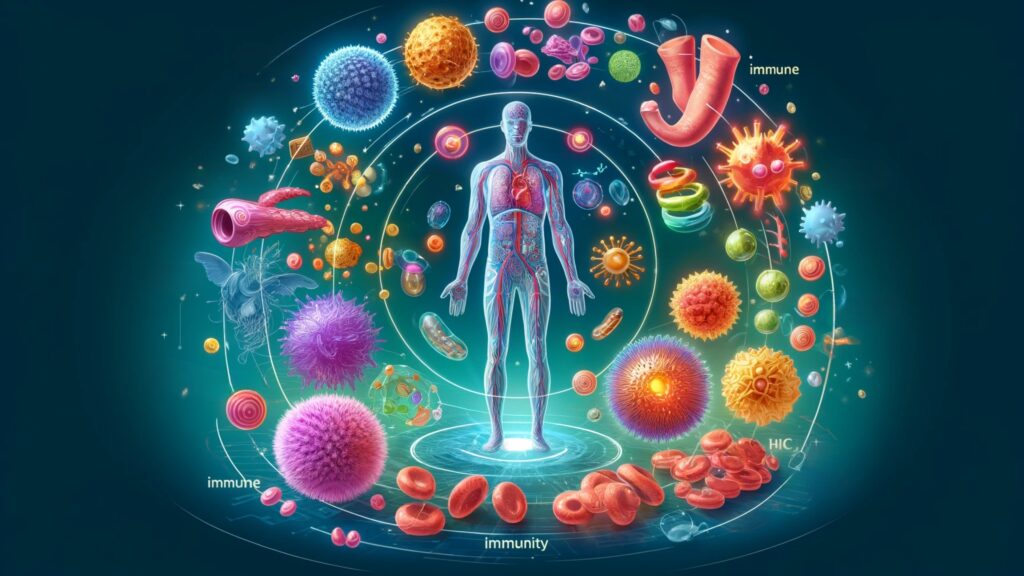
The human immune system is a complex network whose main role is to protect the body from pathogens, toxins and abnormal cells such as cancer cells. One way to improve how the immune system works is immunomodulation, a biological intervention that adjusts the immune response to bring it into better balance.
There are two types of immunomodulation: immunostimulation, which enhances immune function, and immunosuppression, which reduces it. Immunostimulation is typically used when the immune system is weak, for example in patients with immunodeficiency or chronic infections. Conversely, immunosuppression is needed when the immune system is overactive, as in the rejection of transplanted organs.
Immunomodulating agents take many forms, including plant extracts, synthetic compounds and genetically modified cells. One example of a plant extract with immunomodulatory activity is ginger extract, which studies have shown can help reduce inflammation and increase the production of certain types of white blood cells.
Inflammation in the Body
Inflammation is the body’s response to anything that injures its tissues, such as pathogens or cell death caused by a lack of blood or oxygen supply. The inflammatory response involves changes in the blood vessels, the influx of white blood cells and effects on the body as a whole (systemic effects).
Inflammation results from the immune response to stimuli or foreign agents, such as bacteria, viruses and fungi that cause disease in the body, but it can also arise from diseases the patient already has. When immune cells are activated in response to pathogens, they release cytokines that promote tissue inflammation (pro-inflammatory cytokines), such as tumor necrosis factor-α (TNF-α), interleukin (IL)-1β and interleukin-6 (IL-6). These cytokines activate immune cells to respond to foreign agents and eliminate them from the body, but they also cause inflammation of the surrounding tissue where pathogens have entered or where injury has occurred. If inflammation is excessive or persistent, it harms the body and can lead to other diseases.
About Interleukin-6 (IL-6)
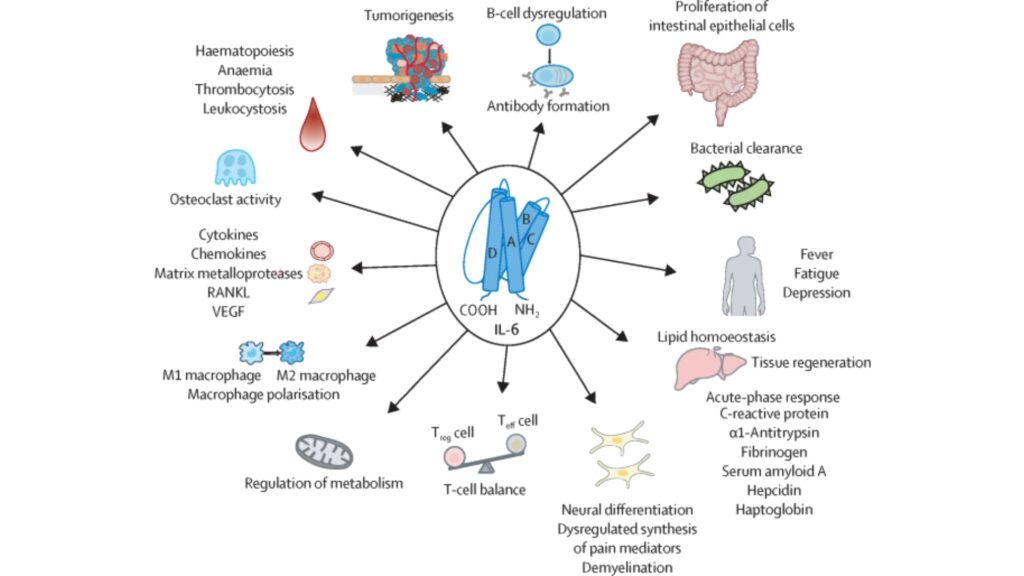
Interleukin-6 helps generate and sustain various immune cells, including antibody-producing cells and cells involved in inflammatory responses. Under normal conditions, IL-6 helps keep immune responses in balance and stimulates the repair of damaged tissue.
IL-6 is a key molecule in the response to inflammation and infection, signaling the body to increase production of white blood cells and inflammation-related proteins. When IL-6 levels are too high, they can contribute to metabolic diseases such as type 2 diabetes and to other conditions linked to chronic inflammation. IL-6 also plays a role in inflammation and cellular aging, which influence the development of many chronic diseases, including chronic vascular disease. Developing extracts or products that can inhibit IL-6 may therefore help improve the control of inflammation and support the development of targeted, effective treatments for various diseases.
About Interleukin-8 (IL-8)
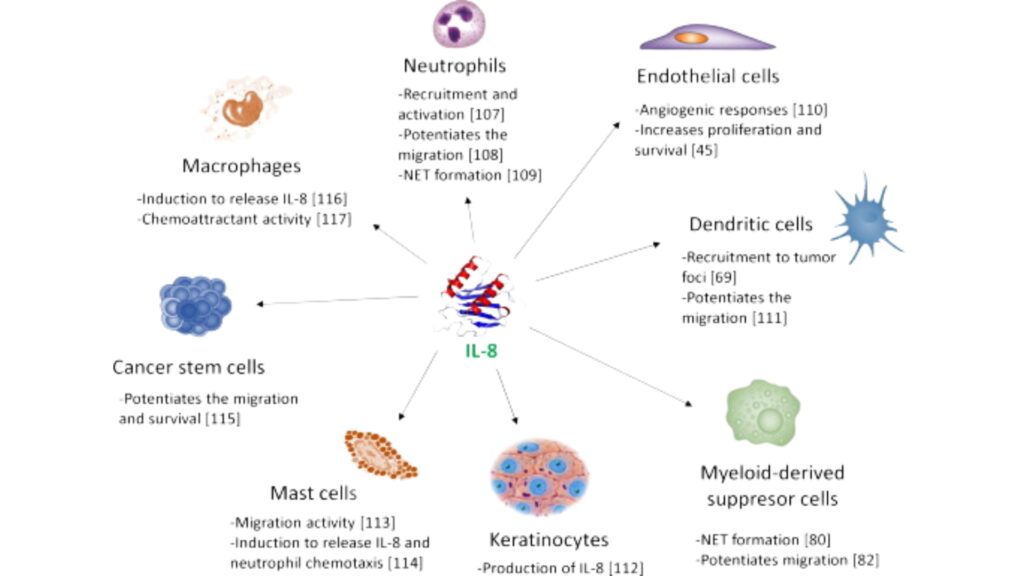
Interleukin-8 (IL-8), also known as CXCL8, is a chemokine that plays a key role in recruiting white blood cells, especially neutrophils, to sites of inflammation or infection. Its main functions are to induce the migration of target cells (chemotaxis) and to stimulate the engulfment of microbes that enter the body (phagocytosis). IL-8 also promotes the formation of new blood vessels (angiogenesis) and has been linked to respiratory diseases, heart disease and colorectal cancer. Elevated IL-8 levels in pregnant women have also been associated with an increased risk of psychiatric disorders in their children.
About Interleukin-10 (IL-10)
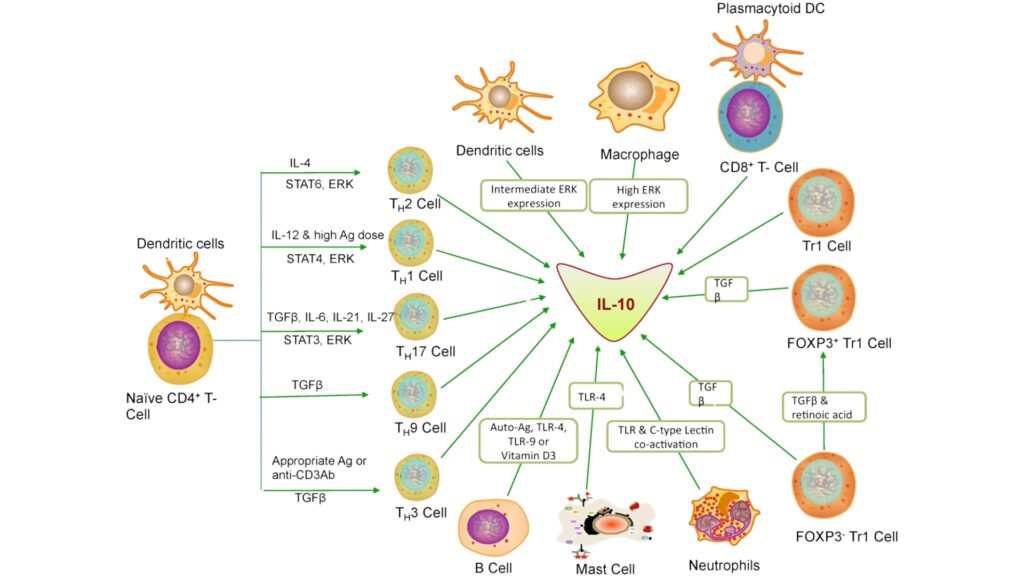
Interleukin-10 (IL-10) is an anti-inflammatory cytokine that dampens active immune responses, for example by reducing cytokine production by T cells (Th1 cytokines) and downregulating the expression of MHC class II antigens on macrophages. IL-10 also reduces the activation of nuclear factor kappa-light-chain-enhancer of activated B cells (NF-κB), a key factor in inflammation, and helps regulate the activity of immune cells such as antibody-producing B cells. As a result, the body’s response to inflammation and infection is toned down.
About TNF-alpha (TNF-α)
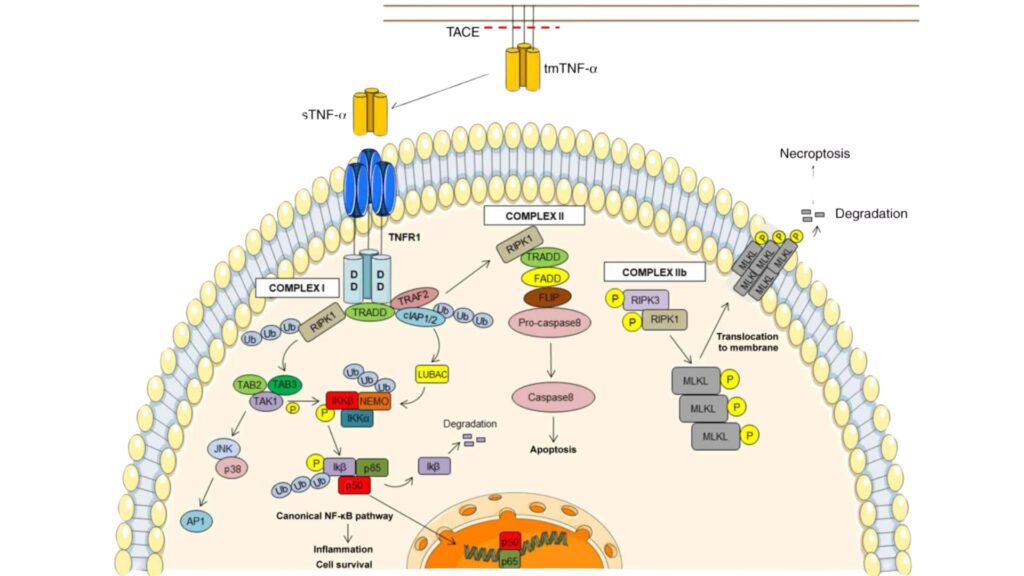
Tumor necrosis factor alpha (TNF-α) is a cytokine involved in inflammation and a key protein in the immune response. As part of that response, it helps regulate immune cells, can cause fever and can induce cell death. TNF-α has been linked to diseases such as rheumatoid arthritis, inflammatory bowel disease and psoriasis, so controlling TNF-α levels may be important in treating these diseases or relieving their symptoms.
Laboratory Test Method for Immunomodulatory Activity
Immunomodulatory activity is assessed from cytokine production. Macrophages (RAW264.7) are cultured in cell culture plates with culture medium and stimulated with LPS to induce inflammation, and cytokines are measured by quantitative polymerase chain reaction (qPCR), ELISA or MILLIPLEX® Multiplex Assays. Our laboratory can test many types of samples, such as herbs, extracts, drugs, herbal products, dietary supplements and food products, for their ability to inhibit IL-6, IL-8, IL-10 or TNF-α, and we offer testing in two formats:
- Efficacy testing for IL-6, IL-8, IL-10 or TNF-α: determines whether the sample product has immunomodulatory activity.
- IC50 reporting: the sample concentration that produces 50% inhibition of IL-6, IL-8, IL-10 or TNF-α (IC50, the half maximal inhibitory concentration) is calculated and compared with a reference standard. This format suits raw materials, herbs and extracts when you need to know the percentage at which to use the sample in product development.
Literature:
- กาญจนา อู่สุวรรณทิม, 2564, หลักวิทยาภูมิคุ้มกัน (ฉบับปรับปรุุง) = Immunological Concepts.—พิมพ์ครั้งที่ 2.–พิษณุุโลก: สำนักพิมพ์์มหาวิทยาลัยนเรศวร (in Thai)
- ภัทธิยากร เทสันตะ, จิราพร ละภิล้า, ฐิติยา ลือตระกูล, กาญจนา อู่สุวรรณทิม, ยอดหทัย ทองศรี, พาชื่น โพทัพ, 2563, ผลของสารสกัดจากใบมะรุมต่อ Interleukin-6 ในเซลล์แมคโครฟาจที่กระตุ้นการอักเสบ ด้วยลิโปโพลีแซคคาไรด์, วารสารวิชาการสาธารณสุข. (in Thai)
- พีรยุทธ สิทธิไชยากุล, 2554, ACUTE AND CHRONIC INFLAMMATION, ภาควิชาพยาธิวิทยาและนิติเวชศาสตร์ คณะแพทยศาสตร์ มหาวิทยาลัยนเรศวร. (in Thai)
- Carlos Alfaro, Miguel F. Sanmamed, María E. Rodríguez Ruiz, Álvaro Teijeira, Carmen Oñate, Álvaro González, Mariano Ponz, Kurt A. Schalper, José L. Pérez-Gracia, Ignacio Melero, 2017, Interleukin-8 in cancer pathogenesis, treatment and follow-up, Cancer Treatment Reviews, Pages 24-31.
- Oliver J McElvaney PhD, Prof Gerard F Curley PhD, Prof Stefan Rose-John PhD, Prof Noel G McElvaney DS, 2021, Interleukin-6: obstacles to targeting a complex cytokine in critical illness, The Lancet Respiratory Medicine, Volume 9, Pages 643-654.
- Gandharva Nagpal, Salman Sadullah Usmani, Sandeep Kumar Dhanda, Harpreet Kaur, Sandeep Singh, Meenu Sharma & Gajendra P. S. Raghava, 2017, Computer-aided designing of immunosuppressive peptides based on IL-10 inducing potential, Scientific Reports volume.
- Farid Ghorbaninezhad, Patrizia Leone, Hajar Alemohammad, Basira Najafzadeh, Niloufar Sadat Nourbakhsh, Marcella Prete, Eleonora Malerba, Hossein Saeedi, Neda Jalili, Tabrizi, Vito Racanelli, Behzad Baradaran, 2022, Tumor necrosis factor‑α in systemic lupus erythematosus: Structure, function and therapeutic implications.
- Modiano, J. F., et al. (2011). “Immunomodulation strategies: An overview.” International Journal of Immunopharmacology, 33(3), 379-394.
- Pawelec, G., et al. (2014). “Immunosenescence and Immunomodulation: An Overview.” Immunity & Ageing, 11(12), 255-264.
- Al-Jaber, N. A., et al. (2017). “Review on some antioxidant plants growing in Arab world.” Journal of Saudi Chemical Society, 21(5), 457-468.