

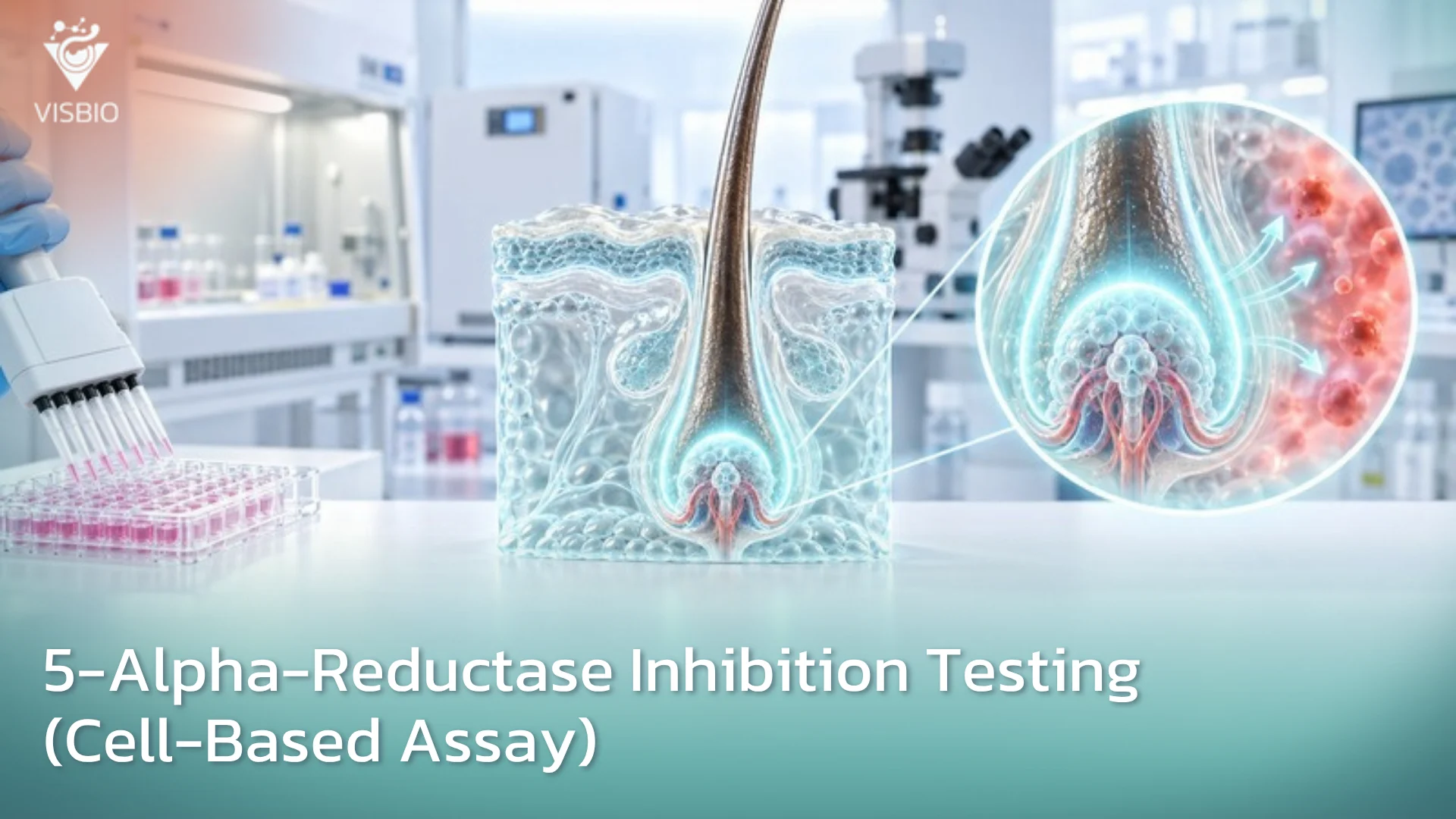
About Our 5α-Reductase Inhibition Testing Service
VISBIO Co., Ltd. offers cell-based testing of 5α-reductase (5-alpha-reductase) inhibitory activity. Our laboratory accepts herbs; extracts in liquid, semi-solid or powder form; cosmetic products such as hair tonics and non-aerosol sprays; and dietary supplements.
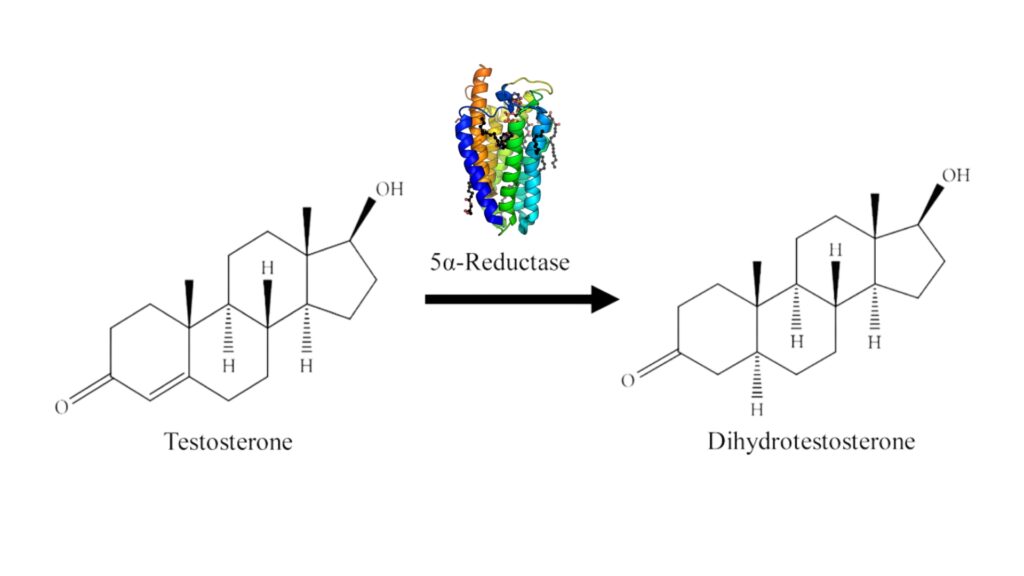
5α-Reductase is an enzyme that plays a key role in steroid hormone metabolism in the body, in particular the conversion of testosterone into dihydrotestosterone (DHT), a more potent androgen than testosterone. Testosterone and DHT each play distinct roles in different biological processes. DHT, formed when 5α-reductase converts testosterone, plays an important role in the development of male characteristics and in hair health. Reducing or controlling 5α-reductase activity can therefore help lower DHT levels and their potential effects.
Hair and Hair Care
The term hair refers both to the hair on the scalp and to the hair that grows on the body. Although hair has no vital function, it matters psychologically because of its role in how we look. Hair is not only part of our physical appearance but also an important indicator of health. It is made mainly of a protein called keratin, which is produced by the hair roots in the scalp. Hair health reflects not only genetic factors but also external factors such as hair care, diet and stress levels.
Proper hair care is essential for maintaining healthy, good-quality hair. Suitable practices include avoiding excessive heat from blow-drying or hair straightening and choosing products suited to your hair type and condition.
Nutrition also plays an important role in hair health. A diet rich in omega-3 fatty acids, B-complex vitamins, vitamin E and iron can help keep hair strong and healthy.
Causes of Hair Loss
Healthy hair reflects good self-care, boosts confidence and enhances personal appearance, so hair loss can undermine self-confidence. Hair loss has several causes, including:
- Scarring alopecia is caused by permanent destruction of the hair follicles, so new hair can no longer be produced. It may result from bacterial, fungal or viral infections that cause severe inflammation of the scalp.
- Non-scarring alopecia is caused by non-permanent damage to the hair follicles and is more common than scarring alopecia. Its causes include:
- Alopecia areata (patchy hair loss) may be associated with factors such as a history of allergies and stress, which can trigger inflammation around the pigment cells at the hair roots and lead to hair loss. It is often seen in people with other conditions, such as certain thyroid (endocrine) disorders, certain types of anemia and certain skin diseases.
- Androgenetic alopecia (hereditary hair loss) is the most common type and is more frequent in men than in women. Several factors act together, including sex, age, genetics, hormones and the environment. In androgenetic alopecia, the enzyme 5-alpha-reductase type 2 converts testosterone into DHT (dihydrotestosterone), the hormone that causes balding. DHT acts on scalp hair follicles, causing hairs to enter the resting phase sooner, so hair falls out faster and new hairs grow back finer.
About the 5α-Reductase Enzyme
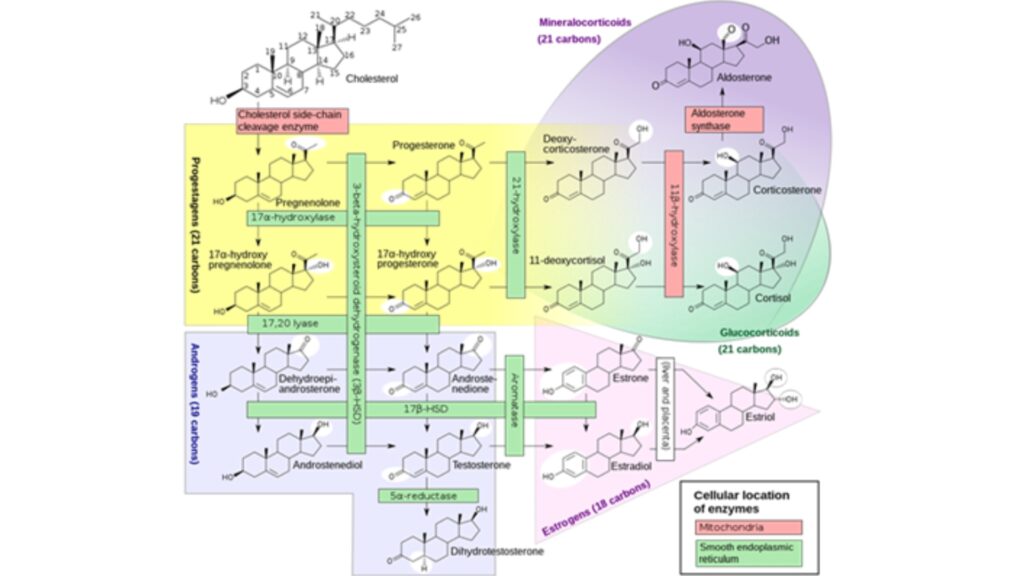
5α-Reductase acts by converting testosterone into dihydrotestosterone (DHT). This reaction influences not only male characteristics and hair development; the enzyme also plays an important role in producing other hormones and neurosteroids in the body.
Inhibiting 5α-reductase can reduce the amount of DHT produced in the body. This is a treatment approach used to manage conditions such as hair loss and benign prostatic hyperplasia (enlarged prostate), and drugs that inhibit this enzyme are commonly used to reduce the effects associated with elevated DHT.
Hereditary hair thinning is linked to increased 5-alpha-reductase levels in the scalp. This enzyme normally converts testosterone into dihydrotestosterone (DHT), a hormone that causes scalp hair follicles to shrink. People with hereditary hair thinning have higher 5α-reductase levels, so their scalp follicles become smaller and produce thin, short hairs. This leads to thinning and shedding that can eventually progress to baldness.
Plants and Herbs That Inhibit 5-Alpha-Reductase
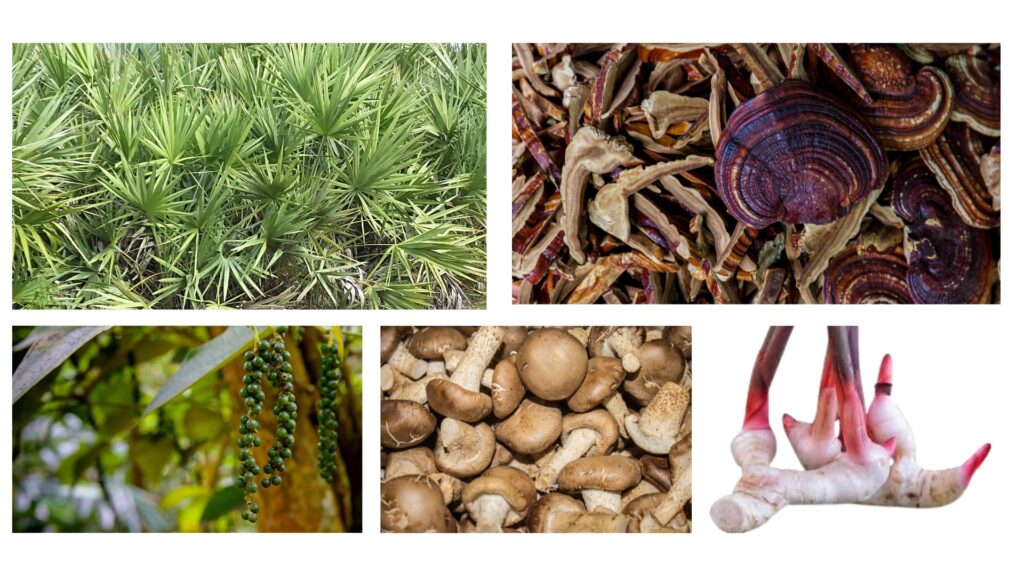
Several plants are known to inhibit 5α-reductase. Examples include saw palmetto (Serenoa repens, also known as Sabal serrulata), which is rich in free fatty acids such as oleic, lauric, myristic and linoleic acids; and lingzhi mushroom extract, whose activity is attributed to its triterpenoids.
Other plants reported to inhibit 5α-reductase include black pepper (Piper nigrum), lesser galangal (Alpinia officinarum), Lygodium japonicum, shiitake mushroom (Lentinula edodes) and Pleurotus ostreatus
In Thailand, many plants have been developed into dietary supplements and cosmetic products with 5α-reductase inhibitory activity, intended to help prevent or address hair loss.
Test Method for 5-Alpha-Reductase Inhibition
For 5α-reductase inhibition testing, our laboratory accepts herbs; extracts in liquid, semi-solid or powder form; cosmetic products such as hair tonics and non-aerosol sprays; and dietary supplements. Testing is carried out at the cellular level in two-dimensional (2D) cultures of PC3 cells.
We can report the sample’s 5α-reductase inhibitory activity and/or its IC50 value (inhibitory concentration at 50%).
Results can be reported in two formats:
- The sample’s 5α-reductase inhibitory activity
- The concentration of the sample that inhibits 5α-reductase activity by 50% (IC50, the half-maximal inhibitory concentration), calculated in comparison with a reference standard. This format is suitable for raw materials, herbs and extracts when you need to know what percentage of the sample to use when developing a product.
Literature:
- ศูนย์ผลิตและพัฒนาสื่อคอมพิวเตอร์เพื่อการศึกษา (C.A.I.) คณะแพทยศาสตร์ จุฬาลงกรณ์มหาวิทยาลัย (in Thai)
Source: accessed 21 March 2024 - แพทย์หญิงดวงกมล ทัศนพงศากุล แพทย์ประจำศูนย์ผิวหนัง โรงพยาบาลเวชธานี, “ ผมร่วง ” เกิดได้จากหลายสาเหตุ (in Thai) Source: accessed 21 March 2024
- 5α-Reductase Source: accessed 21 March 2024
- นศภ. พิชญา ทวีสุข, ผมบางศีรษะล้าน ควรใช้ยาอย่างไร, (in Thai) Source: accessed 21 March 2024
- Naphatsorn Kumara, Wandee Rungseevijitprapab, Nual-Anong Narkkhongc, Maitree Suttajitd, Chaiyavat Chaiyasut, 2011, 5-reductase inhibition and hair growth promotion of some Thai plants traditionally used for hair treatment, DOI: 10.1016/j.jep.2011.12.010 · Source: PubMed
- Kathie P. Huang, Maryanne M. Senna, 2022, Hair Are the Rankings—5-α Reductase Inhibitors and Minoxidil in Male Androgenetic Alopecia, JAMA Dermatol. 2022;158(3):242-243.