

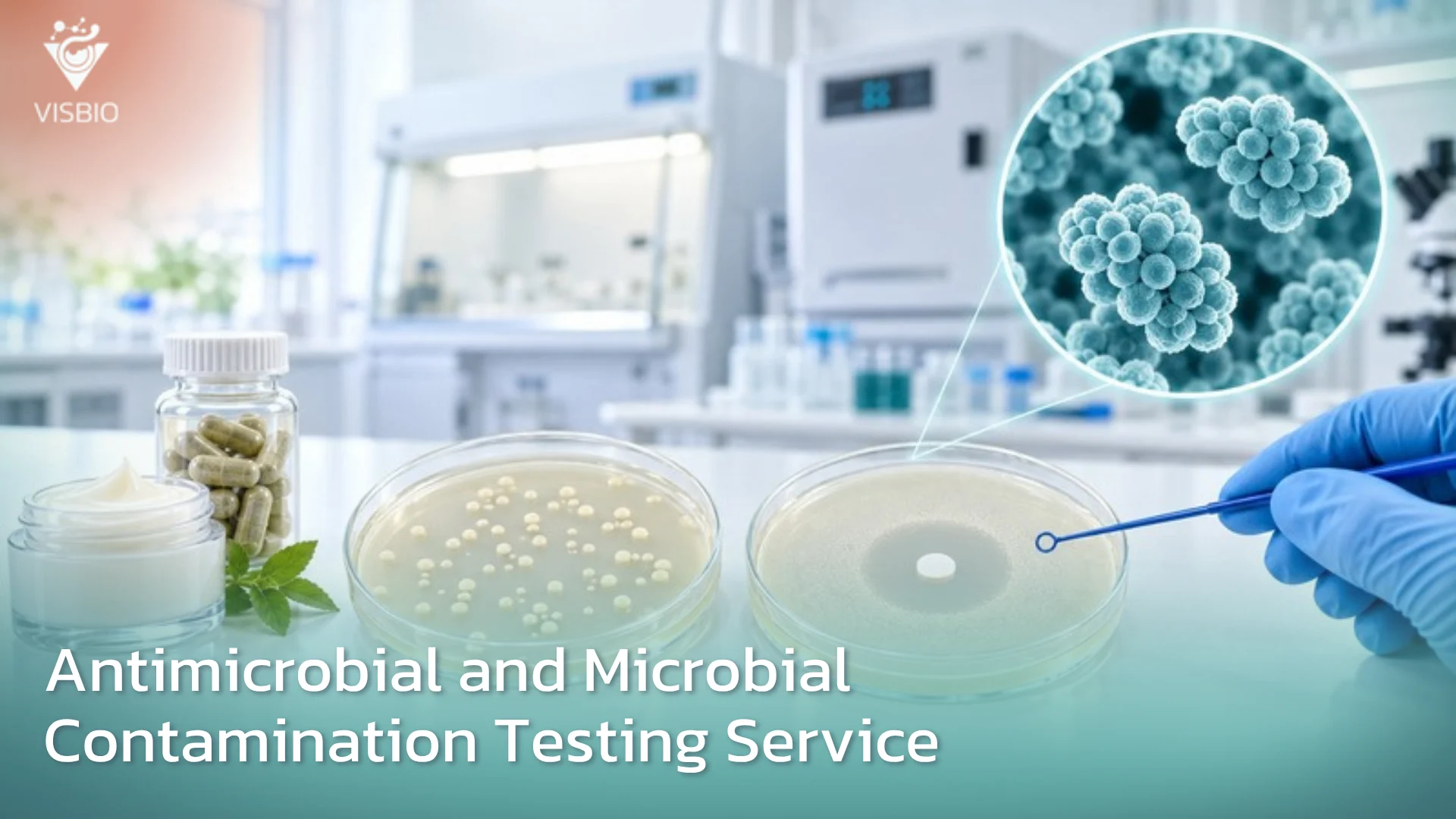
About Our Antimicrobial and Antibacterial Testing
VISBIO Co., Ltd. tests products for microbial contamination by bacteria, yeasts and molds, using the total aerobic plate count and the total yeast and mold count. We test a wide range of samples, including raw materials, herbs, food and beverage products, and health and beauty products such as herbal products, dietary supplements and cosmetics. Microbial contamination testing is part of product quality control before products go on sale, and the test reports can also be used to support regulatory submissions.
We also test antimicrobial and antibacterial activity, including the minimum inhibitory concentration (MIC), the lowest concentration that inhibits microbial growth, and the minimum bactericidal concentration (MBC), the lowest concentration that kills the microorganism. These tests are available for products that dissolve in water or in dimethyl sulfoxide (DMSO) and provide evidence of a product’s ability to inhibit microorganisms. The organisms our laboratory can test are: Staphylococcus aureus, Pseudomonas aeruginosa, Escherichia coli, Staphylococcus epidermidis, Propionibacterium acnes and Salmonella spp.
Types of Microorganisms in the Environment
Microorganisms are tiny living things made up of a single cell (unicellular) or many cells (multicellular). They can be classified as follows:
- Bacteria are extremely small microorganisms that cannot be seen with the naked eye and can only be observed under a microscope. They have a rigid cell wall and are found everywhere, in soil, water and air. Some are beneficial and some are harmful. Examples include Bacillus spp., Lactobacillus spp., Streptococcus spp., Staphylococcus spp., Escherichia coli, Proteus vulgaris, Spirillum spp. and Streptomyces spp.
- Fungi include single-celled yeasts, such as Saccharomyces cerevisiae, and multicellular molds with filamentous cells, such as Rhizopus spp., Aspergillus spp. and Penicillium spp.
- Protozoa are found throughout soil, water, air and living organisms, and normally feed on bacteria.
- Algae are microorganisms capable of photosynthesis.
- Viruses
Characteristics of Microorganisms and Their Effects on the Body
Bacteria are found everywhere in soil, water and air, and some species also live in the human body. Examples include:
Staphylococcus aureus

S. aureus is a staphylococcus, historically classified in the family Micrococcaceae. Its cells are round and arranged in grape-like clusters, and it grows well in the presence of oxygen. It is found on the skin, in the nasal cavity and the lining of the respiratory tract, in the digestive tract, in infected wounds and abscesses, and in soil and dust. Foods commonly contaminated with S. aureus include meat products, eggs, salads, baked goods, sandwiches and milk stored at unsuitable temperatures.
S. aureus causes food poisoning and can cause acute infections (abscesses, infected wounds and septicemia) and acute toxemias (heat-stable enterotoxin), including pus formation, abscesses, blistering skin infections and severe infections in which the bacteria spread into the bloodstream.
Pseudomonas aeruginosa
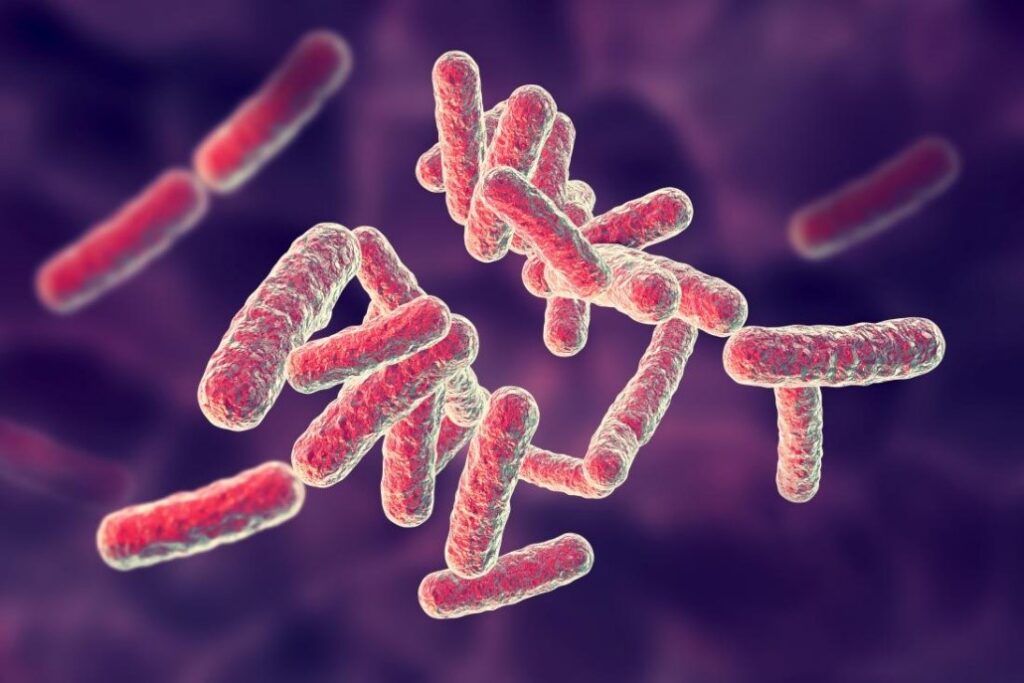
Characteristics: A Gram-negative, rod-shaped, motile bacterium. It is highly versatile and is found in soil, seawater and other natural environments. It has high genomic diversity and adapts readily to new conditions, and it can cause disease in both humans and other mammals.
The bacterium is found all around us, in soil, tap water, plants, vegetables and fruits, as well as on the human body, for example in skin oils. It is also common in damp places such as bathrooms and bathtubs.
Symptoms of infection depend on where the bacteria grow. Pseudomonas aeruginosa can cause disease in almost every system and part of the body, including bloodstream infections, digestive tract infections, urinary tract infections, lung infections, and folliculitis, which causes red skin and a red rash on the body.
Escherichia coli
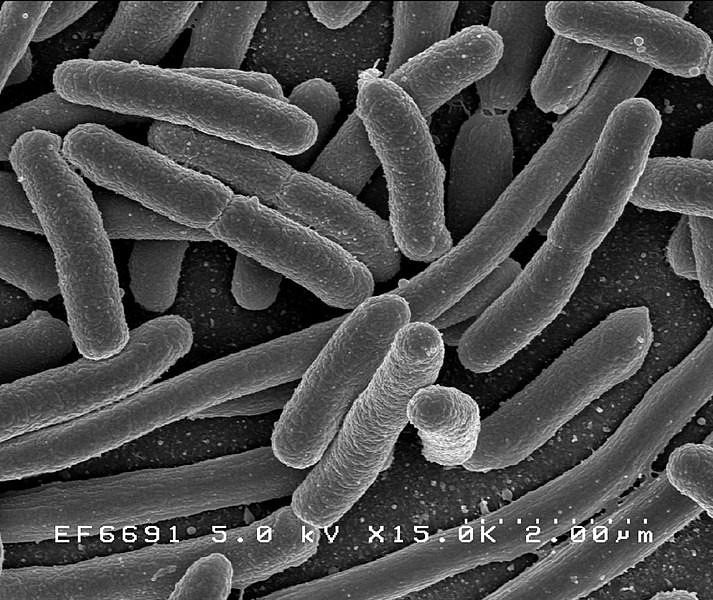
E. coli is a rod-shaped, Gram-negative coliform bacterium that can grow with or without oxygen (facultative anaerobe). It lives in the intestines of humans and warm-blooded animals and normally causes no harm or serious disease; in the intestine it helps digest the food we eat. However, if E. coli enters other body systems, it can cause serious infections such as urinary tract infections, meningitis and bloodstream infections.
E. coli lives in the intestines of humans and animals such as pigs, cattle and buffalo, so the bacteria are shed in feces. If animals defecate on soil or in water sources used for farming or for household use and drinking, the bacteria can contaminate produce or drinking water and enter the body when people eat or drink. E. coli can also spread directly from one person to another (person-to-person contact).
Staphylococcus epidermidis
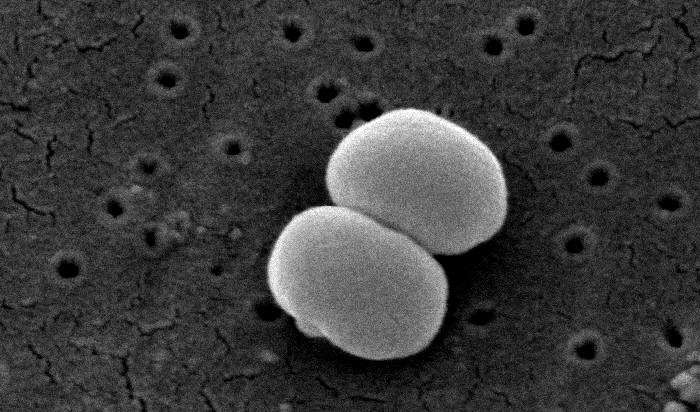
Characteristics: A Gram-positive bacterium in the genus Staphylococcus, with cells arranged in grape-like clusters. It grows well in the presence of oxygen.
It is a normal resident of human skin and mucous membranes. Some staphylococci cause abscesses and other infections, and pathogenic strains often lyse red blood cells, coagulate plasma and secrete enzymes and toxins outside the cell. S. epidermidis secretes lipase and protease, which play an important role in acne, and it forms biofilms that contribute to antibiotic resistance.
Propionibacterium acnes
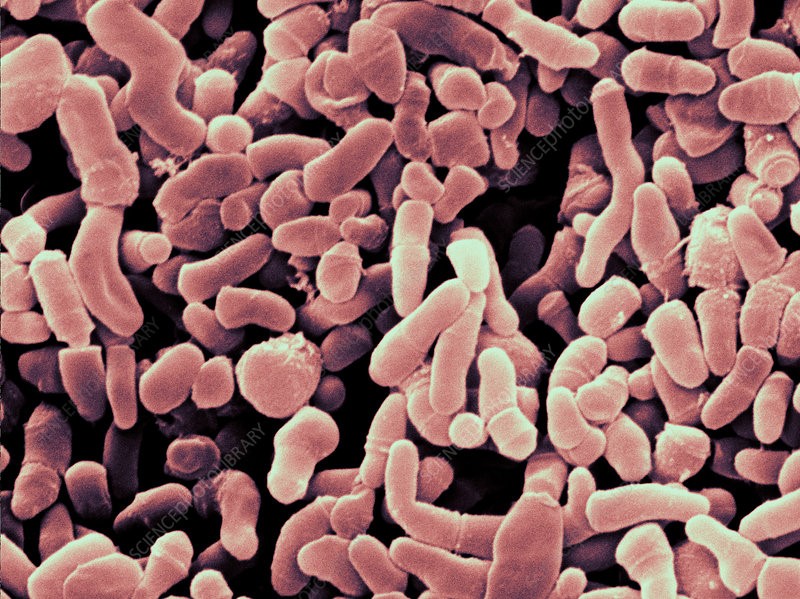
Characteristics: Pleomorphic, occurring in several shapes, such as short rods that may look round or oval. It is classified as an anaerobe, does not form spores and grows relatively slowly. P. acnes (now classified as Cutibacterium acnes) is a resident bacterium of the mouth and skin and may also be found in the conjunctiva and the female reproductive tract.
P. acnes lives in hair follicles and the sebaceous glands of the skin and is a major cause of inflammatory acne (acne vulgaris). Infection with P. acnes has been reported in connection with medical procedures and foreign bodies placed in the body, such as intravenous lines, which allow the bacteria to enter the bloodstream and may lead to infections of various organs, such as endocarditis and brain abscesses.
Candida albicans
Candida albicans is a fungus that stains blue (Gram-positive) with Gram staining and appears in two forms: yeast cells and long filaments. Under the microscope, it appears as large numbers of budding yeast cells, and when it invades tissue it changes into filaments with and without septa.
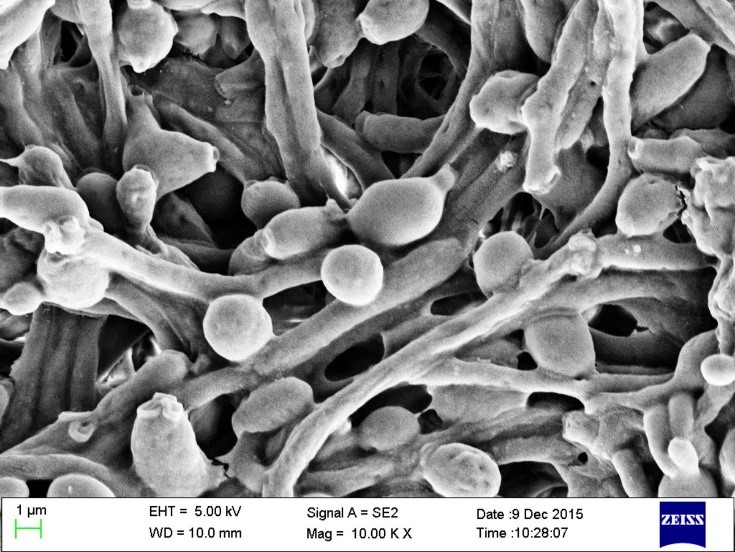
Candida is a yeast found in healthy people as part of the normal flora, on the mucous membranes of the digestive tract, such as the mouth, oropharynx, esophagus and stomach.
Clostridium spp.
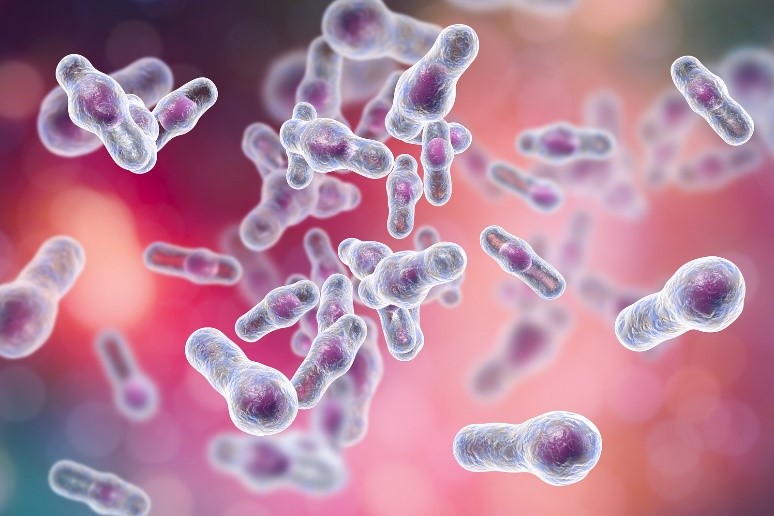
Clostridium spp. are Gram-positive, rod-shaped bacteria that, like Bacillus and Desulfotomaculum, form endospores, and they were historically classified with them in the family Bacillaceae. Clostridium species often cause disease in organs, or grow and produce toxins, in airless, low-oxygen environments.
A Thai Ministry of Public Health notification requires cosmetics containing herbal ingredients to be tested for pathogenic clostridia (Clostridium spp.)
Salmonella spp.
Salmonella is a Gram-negative, rod-shaped bacterium and a highly widespread pathogen. Salmonella is a major public health concern. It is associated with foods including raw meat, poultry, eggs, milk and dairy products, fish and seafood, spices, cocoa, chocolate, and ready-to-eat foods such as sauces, salad dressings, cake mixes and cream-filled desserts.
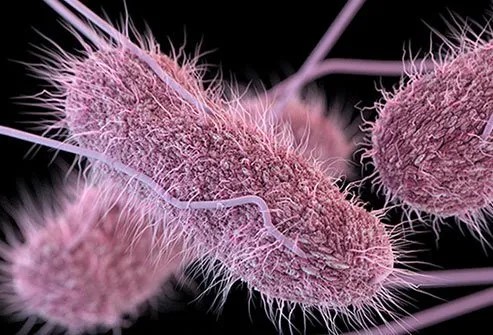
Salmonella is widely distributed in nature. It can live in animals, especially pets such as turtles and other reptiles, and in humans, and it can also persist in the natural environment. It is known to contaminate pond sediment, irrigation water, soil, insects, production equipment, hands, and kitchen and household surfaces.
Total Plate Count and Total Yeast and Mold Count
The standard plate count (SPC), also called the aerobic plate count (APC) or total viable count (TVC), is the total number of living bacteria, yeasts and molds that grow in the presence of air. It is the sum of the total aerobic microbial count, which is the number of bacteria that grow aerobically, and the total combined yeasts and molds count, which is the number of yeasts and molds that grow aerobically. The method counts colonies that are large enough to see with the naked eye or a magnifying glass. Each colony starts from a single microbial cell that is held in place on the culture medium, where it grows and divides into many cells. Results are reported in colony-forming units (CFU) per gram or per milliliter.
Minimum Inhibitory Concentration (MIC)
The MIC is the lowest concentration of an extract that inhibits the growth of microorganisms, making it a key measure of antimicrobial and antibacterial activity. It is usually expressed in micrograms (µg) per milliliter (ml) or in international units (IU) per milliliter. MIC values can be used to compare how sensitive a test organism is to several antimicrobial agents, or how sensitive several organisms are to a single agent.
Minimal Bactericidal Concentration (MBC)
The MBC is the lowest concentration of a substance that kills microorganisms. The MBC test is performed after the MIC test: the solution from every well that remains clear, or has not turned pink, is subcultured onto culture medium, and the MBC is the lowest concentration at which no growth appears on the medium.
Example of an Antimicrobial Test Report
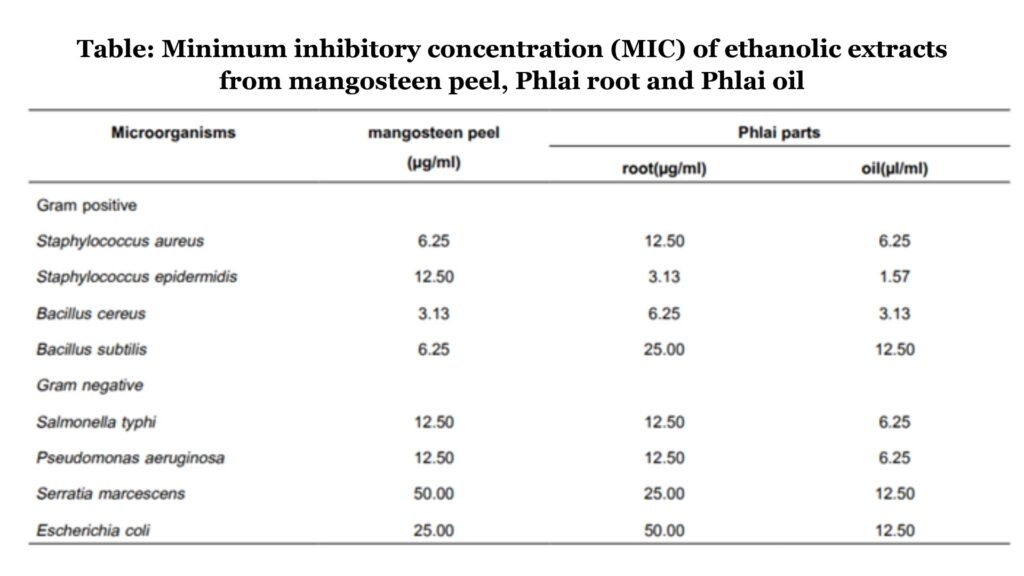
This example reports the effects of mangosteen peel extract, Phlai (Zingiber cassumunar) extract and Phlai oil on the growth of pathogenic bacteria. In the minimum inhibitory concentration (MIC) table, mangosteen peel extract was most effective against B. cereus with the lowest MIC among the bacteria tested (3.13 µg/ml), while Phlai rhizome extract was most effective against S. epidermidis with the lowest MIC (3.13 µg/ml), and Phlai oil was most effective against S. epidermidis and B. cereus with the lowest MICs of 1.57 and 3.13 µl/ml, respectively.
Literature:
- วรรณี สมัปปิโต, ศุภชัย สมัปปิโต และ ลือชัย บุตคุป, 2016, ผลของสารสกัดจากเปลือกมังคุด ไพลและน้ำมันไพลต่อการยับยั้งการเจริญของเชื้อแบคทีเรียก่อโรค, J Sci Technol MSU, 53-60. (in Thai)
- ประสาทพร บริสุทธิ์เพ็ชร, พิทัย กาญบุตร และสาธร พรตระกูลพิพัฒน์, 2551, การทดสอบฤทธิ์ต้านเชื้อของสมุนไพรในห้องปฏิบัติการ, คณะสัตวแพทยศาสตร์ มหาวิทยาลัยขอนแก่น, 91-101. (in Thai)
- ศิริวัฒณา ลาภหลาย, 2557, การศึกษาฤทธิ์ของสารสกัดจากต้อยติ่งในการยับยั้งการเจริญของ Staphylococcus aureus, วารสารวิทยาศาสตร์และเทคโนโลยี. (in Thai)
- ปรินทร์ ชัยวิสุทธางกูร, ศิวาพร ลงยันต์, ภัทริน ศรีดุลยกุลย์และไพศาล สิทธิกรกุล, 2552, การโคลนยีนและการแสดงออกของโปรตีนที่จำเพาะต่อ Pseudomonas aeruginosa ซึ่งวิเคราะห์โดยการเปรียบเทียบจีโนมและการผลิตโพลิโคลนอลแอนติบอดี, มหาวิทยาลัยศรีนครินทรวิโรฒ. (in Thai)
- วริษา ศรีเปลี่ยนจันทร์, 2020, เชื้อ Pseudomonas aeruginosa ติดเชื้อได้จากไหน รักษาอย่างไร (in Thai),
- ฝ่ายแบคทีเรียลำไส้ สถาบันวิจัยวิทยาศาสตร์สาธารณสขุ กรมวิทยาศาสตร์การแพทย์ (in Thai), 2557, Escherichia coli.
- สุทธิวรรณ วุ่นหนู, 2559, การศึกษาศักยภาพและการประยุกต์ใช้ทางคลินิกของสารบริสุทธิ์ rhodomyrtone สำหรับรักษาสิว, วิทยาศาสตรมหาบัณฑิต สาขาวิชาจุลชีววิทยา มหาวิทยาลัยสงขลานครินทร์. (in Thai)
- วรวุฒิ เกิดปราง, สุนันทา ข้องสาย และ ปรีดา เกิดสุข, 2561, สารพฤกษเคมี ฤทธิ์ต้านอนุมูลอิสระ การยับยั้งแบคทีเรียก!อโรคและความเป็นพิษต่อสัตว์น้ำของสารสกัดสาหร่ายทะเล Rhizoclonium hieroglyphicum (C. Agardh) Kützing, 1845, คณะวิทยาศาสตร์และเทคโนโลยีการประมงมหาวิทยาลัยเทคโนโลยีราชมงคลศรีวิชัย. (in Thai)
- แพทย์หญิงเจนจิต ฉายะจินดา, 2554, เชื้อราในช่องคลอด, ภาควิชาสูติศาสตร์-นรีเวชวิทยา คณะแพทยศาสตร์ศิริราชพยาบาล (in Thai)
- เกียรติคุณ แพทย์หญิง พวงทอง ไกรพิบูลย์, 2560, แคนดิไดอะซิส (Candidiasis) (in Thai), accessed 18 May 2023
- Food Safety: Salmonella