

About Our Glucosamine Quantification Testing
VISBIO Co., Ltd. offers glucosamine quantification testing using a D-Glucosamine Assay Kit for products across the health and beauty, food and beverage, and pharmaceutical industries.
Glucosamine is a natural compound found in the body. It is a building block for cartilage tissue and synovial fluid, and the body can make its own glucosamine from glucose. Many benefits are claimed for glucosamine today, for example that it relieves osteoarthritis pain, improves mobility, makes joints move more smoothly, stops joint noises, slows the degeneration of the knee joint and delays the need for knee replacement. Glucosamine is classified as a dietary supplement in some countries, but in Thailand it is still classified as a drug.
About Glucosamine
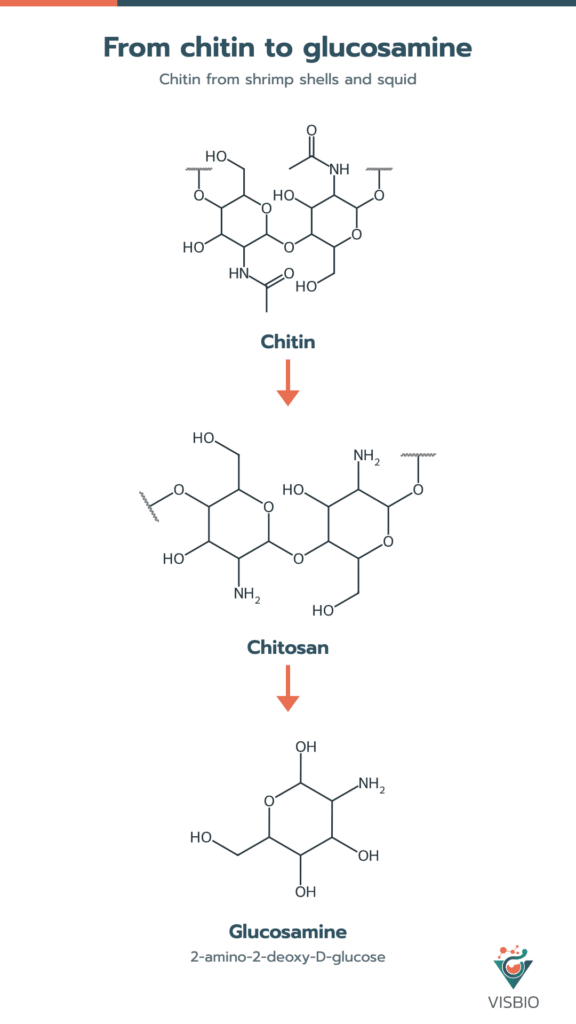
Glucosamine is a natural compound that can be obtained from chitin, found in the shells of shrimp and crabs and in squid, and from poultry such as chicken and duck. It can also be produced by fermentation with the fungus Aspergillus niger or from certain plants. Glucosamine is a 6-carbon amino sugar found in the human body, which can synthesize it from glucose. It helps the body build proteoglycans, which are abundant in cartilage and make it strong and elastic, so that it can absorb the impact of joint movement.
Glucosamine is used in dietary supplements intended to support the joints and reduce joint pain and inflammation, particularly in people with knee osteoarthritis. It is also used in skincare products to improve skin elasticity and firmness. Glucosamine produced for the health and beauty industry usually has to be tested and certified against safety and efficacy standards.
The biochemistry and synthesis of glucosamine have been studied in collaboration with universities and research institutes such as Kasetsart University and the University of Vienna, and research has reported benefits of glucosamine for joint care and treatment. Further research has focused on the use of glucosamine in cosmetic products to reduce the appearance of wrinkles and improve skin elasticity.
Types of Glucosamine
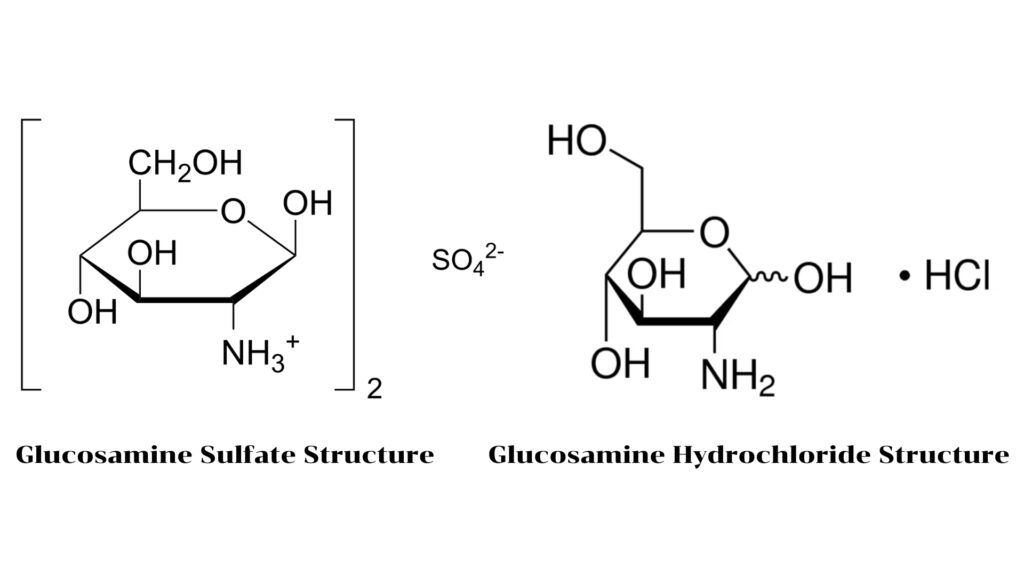
Glucosamine is a natural compound found in cartilage, the tissue that keeps joints flexible and cushions impact. Glucosamine is available in two main forms. Glucosamine sulfate is widely used to treat pain caused by the inflammation, breakdown and loss of cartilage (osteoarthritis). Glucosamine hydrochloride is a compound in which a hydroxyl group of glucose is replaced by an amino group (amidogen). Glucosamine is an important precursor in the synthesis of glycosylated proteins and lipids. Commercially, glucosamine HCl, or glucosamine hydrochloride, is produced from shellfish exoskeletons and is mostly used as a supplement for people with knee osteoarthritis.
Benefits of Glucosamine for the Body
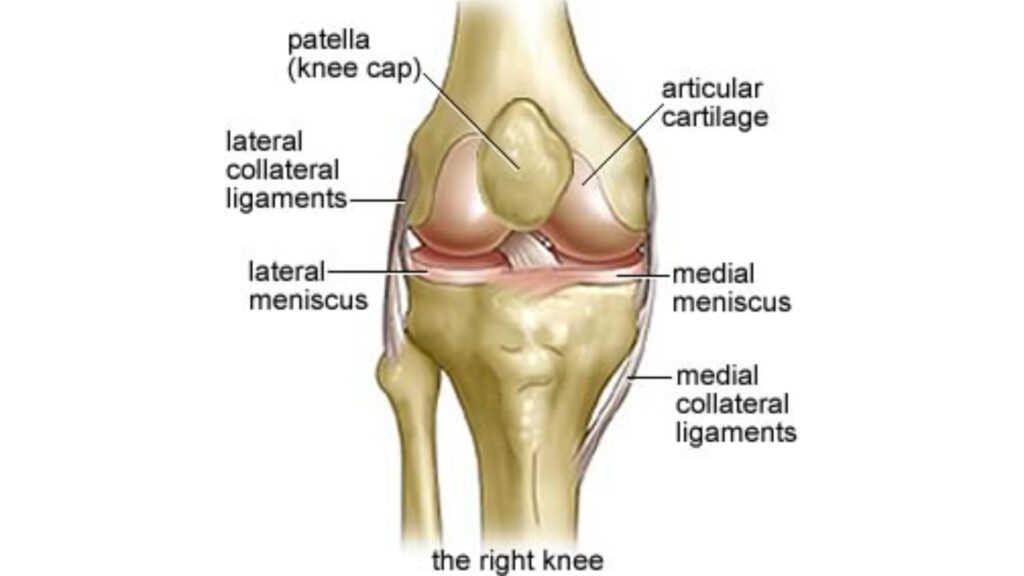
Glucosamine plays an important role in building and maintaining healthy joints. Some research indicates that glucosamine helps build cartilage, the white tissue that covers the ends of bones at the joints and allows them to move smoothly. Cartilage tends to wear down and degenerate with age, causing osteoarthritis, which is common in older people and leads to pain and swelling in the knees, hips, spine and hands. Glucosamine may also help the body build components of cartilage, such as collagen, and of synovial fluid, which lubricates the knee joint and allows it to move easily. Some studies suggest that glucosamine may help reduce joint inflammation, and glucosamine has therefore been used in medicines for bone and joint conditions such as osteoarthritis, rheumatoid arthritis and osteoporosis.
Glucosamine may also be used for other conditions, such as allergies, chronic inflammatory bowel disease, sports injuries and chronic back pain. However, there is currently not enough evidence to confirm that glucosamine is effective in treating these conditions.
Product Development with Glucosamine
Glucosamine is used by the body as a building block for large molecules, namely proteoglycans, glycoproteins, glycosaminoglycans and hyaluronic acid. These molecules are components of almost every tissue in the body and are particularly abundant in cartilage, which covers the ends of bones, especially at the joints. Cartilage consists of a matrix of collagen fibers containing proteoglycans. Proteoglycans are large molecules that attract and hold water well, which makes cartilage elastic and able to cushion joint movement. This is the key role of glucosamine in supporting joint function. Glucosamine also inhibits the activity of several inflammatory mediators, so it is often used to develop products intended to reduce joint inflammation.
Glucosamine products on the market today fall into two registration categories: dangerous drugs and dietary supplements. The two differ in their registration procedures and in the documents required. Glucosamine registered as a dangerous drug is intended for the treatment of osteoarthritis; registration requires documented clinical studies showing its efficacy and safety, and the drug may be used only as prescribed by a physician. Glucosamine registered as a dietary supplement is intended for healthy people to take in addition to their normal diet, and registration does not require clinical studies. In Thailand, the Food and Drug Administration (Thai FDA) of the Ministry of Public Health permits only glucosamine in the dangerous drug category to be registered and sold.
Glucosamine Testing and Quantitative Analysis
VISBIO Co., Ltd. tests and quantifies glucosamine using a D-Glucosamine Assay Kit for products across the health and beauty, food and beverage, and pharmaceutical industries. We also test raw materials and extracts, and can provide both qualitative and quantitative analysis.
Literature:
- เอกสารสรุปประเด็นข้อเท็จจริงและข้อมูลทางวิชาการเกี่ยวกับกลูโคซามีน คอนดรอยตินซัลเฟต ไดอะเซอเรน และ ไฮยาลูโรแนนชนิดฉีดเข้าข้อ, 2553, คณะทำงานวิชาการทางแพทย์ ภายใต้คระกรรมการบริหารระบบสวัสดิการรักษาพยาบาลข้าราชการ กรมบัญชีกลาง กระทรวงการคลัง (in Thai)
- ธนรัตน์ สรวลเสน่ห์, ไขข้อข้องใจเกี่ยวกับกลูโคซามีน (glucosamine) ในโรคข้อเสื่อม, คณะเภสัชศาสตร์ มหาวิทยาลัยมหิดล. (in Thai)
- ประกาศกระทรวงสาธารณสุข เรื่อง วัตถุที่ได้รับยกเว้นไม่เป็นยา (ฉบับที่ 40) พ.ศ. 2566 (in Thai)