


What Are Antiviral Drugs?
Antiviral drugs are a class of medicines available as tablets, oral liquids, inhaled powders and intravenous solutions. They work by inhibiting viral replication rather than killing the virus. When an infected person takes an antiviral drug, it can help reduce or slow the symptoms of the disease and help the patient recover.
Antiviral drugs are used only for viral infections. Doctors may prescribe several antiviral drugs in combination and, where a bacterial infection is also present, antibiotics, which inhibit the growth of bacteria, together with other medicines to relieve symptoms.
Antiviral drugs are developed to be specific to particular viruses, but in some cases an antiviral drug developed for one virus is used against another, and its efficacy and side effects must be tested before use. One example is favipiravir, an influenza antiviral that has also been studied and used for Ebola and for COVID-19, the disease caused by infection with the 2019 coronavirus (SARS-CoV-2).
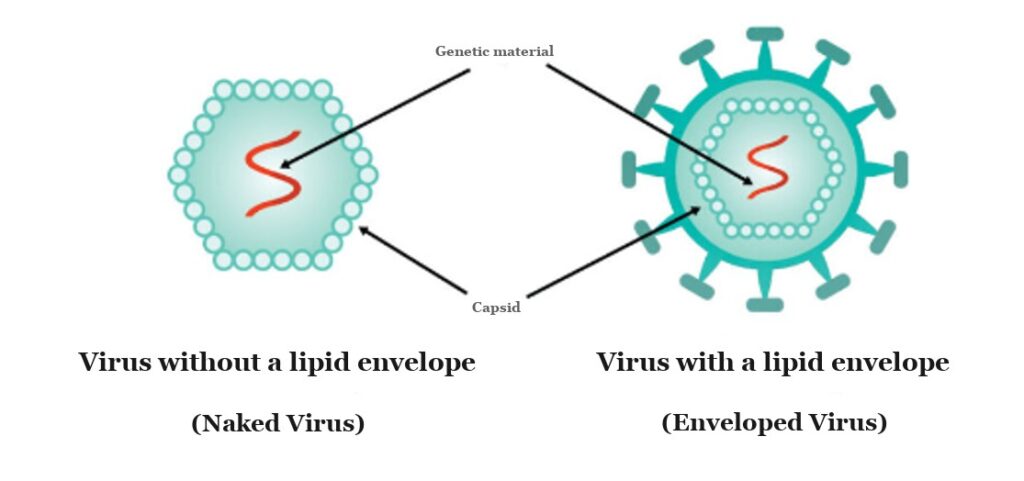
Viruses are intracellular parasites. They are extremely small (20-300 nm), small enough to pass through bacterial filters, and can be seen only with an electron microscope. A virus is like a parasite living inside another organism (an obligate intracellular parasite) because it cannot grow or reproduce outside a cell. It contains only one type of genetic material, either DNA or RNA, enclosed in a protein shell called a capsid. Viruses have no metabolism of their own and no organelles, the small specialized structures found in cells, so they depend on the host cell they infect to carry out their functions.
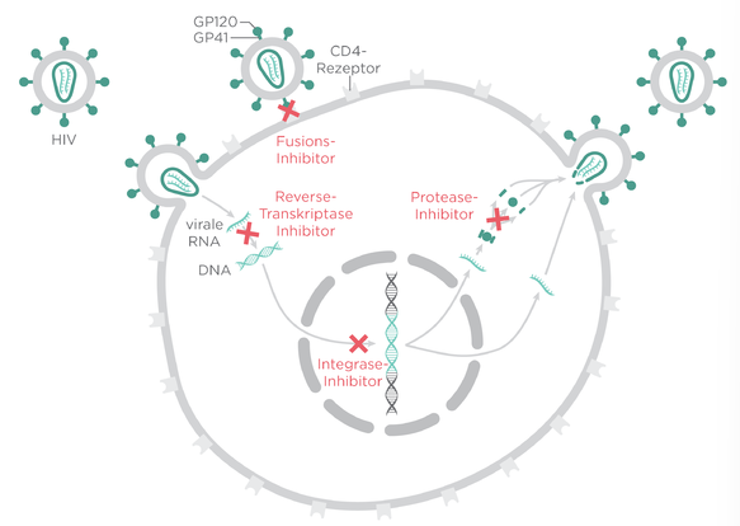
Mechanism of Action
Antiviral drugs work by inhibiting viral infection and preventing the virus from copying its genetic material. They can also block the production of viral proteins that the virus needs in order to reproduce.
What Antiviral Drugs Can Do
- Enter virus-infected cells
- Interfere with or block the synthesis of viral nucleic acids
- Some antivirals can block the virus’s ability to bind to cells
- Reduce the chance of infected cells undergoing changes that may lead to cancer
- Some antivirals can stimulate the body’s immune system
Literature Ref.:
- Pawita Likhitdecharot, National Science Museum Thailand (NSM) (in Thai). Source: https://www.nsm.or.th/nsm/th/node/5772
- Antiviral drugs. [Online]. Available from: https://www.physio-pedia.com/Antiviral_Drugs
- Science Centre for Education, Bangkok (in Thai). Source: https://sciplanet.org/content/7914
Need laboratory testing of the bioactivity of an extract or peptide?
VISBIO provides in vitro bioactivity testing, including enzyme inhibition and cell-based assays, for research and product development. Services related to this article:
- Cellular Toxicity Testing (Toxicity in Cell)
- Immunomodulation Testing
- Immune Support Product Testing
- All in vitro efficacy tests
Talk to our team before sending samples: LINE @visbio · Contact us